
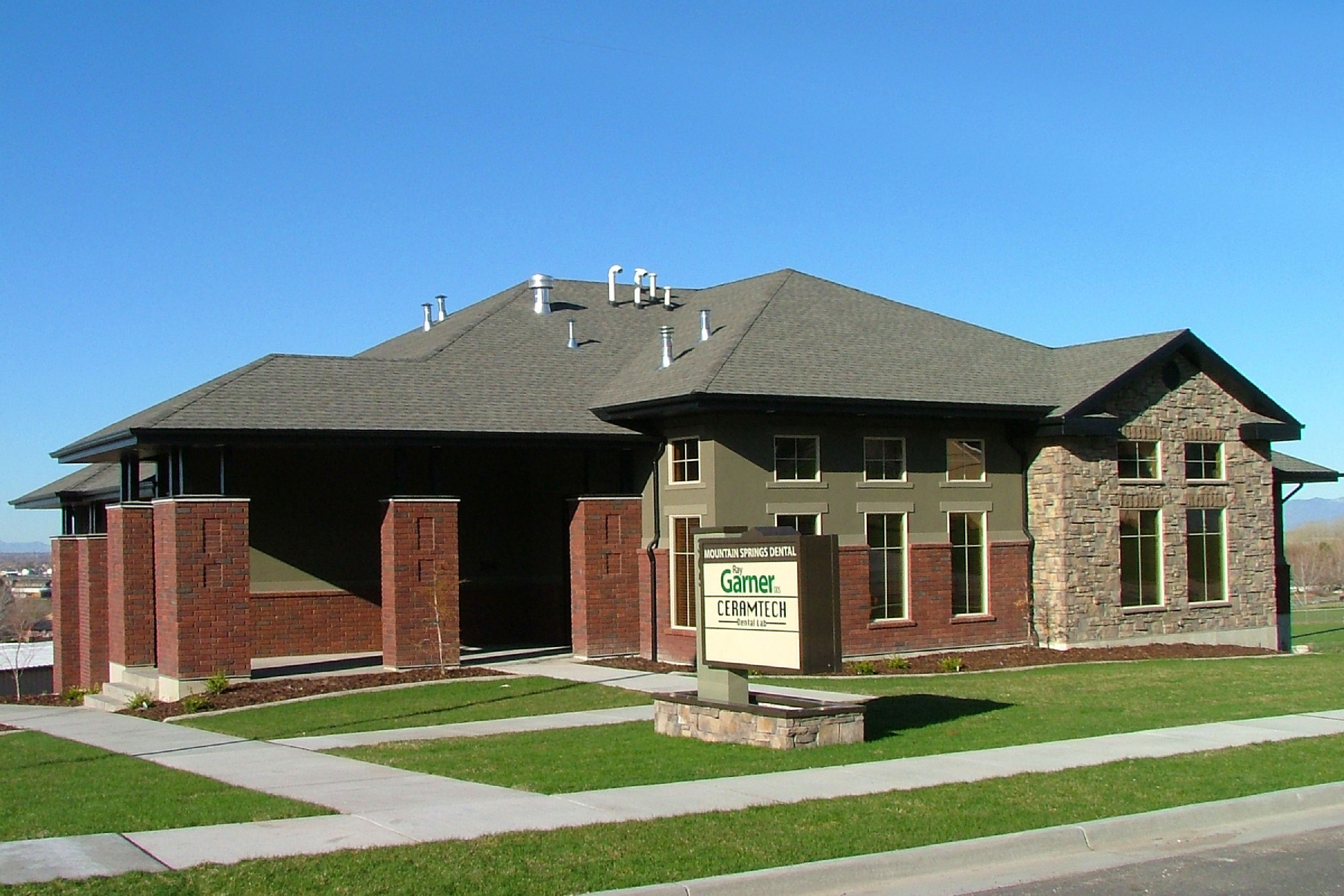
When the DSO bought my practice, they made it clear they’d be glad to buy the building too. One check, one closing, done. I’ll admit that had some appeal. After 37 years, part of me wanted to hand over every key I owned and head for the beach. (If you’re early in that conversation, I wrote about what I wish I’d known before I sold to a DSO.)
I kept the building anyway. It’s one of the questions I hear most from dentists thinking about selling, so I want to walk you through how I decided and how it’s really going.
The advice I got was a coin flip
I talked it over with several people I trust, including a real estate broker and my accountant. I expected a clear answer. What I got was a split decision. About half leaned sell and half leaned keep.
That frustrated me at the time. Looking back, it was the most honest answer they could give. There isn’t one right choice. There is a right choice for your numbers, your family, and how you want your retirement to feel. You have to make that choice yourself.
Why I kept it
It came down to three things.
First, the rent pays for the building. The lease payments cover the mortgage and the property taxes, with some left over. I’m not getting rich off it today. But my tenants are paying down my loan every month.
Second, the building keeps appreciating. Selling would have locked in that day’s price. Keeping it lets the value keep growing.
Third, and this one surprised me, it keeps me tied to home. I live in Florida now, but I still own a piece of the town where I grew up, spent my whole career, and made a promise to my patients before I left. That matters to me more than I expected.
How the building is set up
There are three units. The DSO that bought my practice leases the upper level. A chiropractor and a massage therapist share the second space on the lower level. The third, smaller unit belongs to a separate owner.
Both of my tenants are on five year renewable leases. Every owner, including that third party, pays CAM fees (common area maintenance). Those cover the outside of the building, the grounds, any common space inside, and insurance on the structure. That keeps the big surprise expenses from landing on one person.
The building sits in its own LLC, separate from the one that owned the practice. If you’re still practicing and you own your building, look at that setup now. It made my sale cleaner and keeps the building’s finances in their own lane.
Managing it from nearly 2,000 miles away
This is the part people worry about most, and rightly so. I’m not flying back to Utah to look at a leaky roof or squeaky door hinge.
My son-in-law Taylor manages the building. He lives only 15 minutes from the building. When a tenant has a repair or a problem, they call Taylor. He has a list of businesses I have used for repairs or maintenance previously. If it needs my approval, Taylor calls me. He can send pictures if needed and tell me what he thinks needs to be done. So far there have been no late payments and no lease disputes.
Here’s something I’d encourage you to copy. I pay Taylor the same management fee I paid the property manager before him. Family or not, it’s a real job, and paying him fairly keeps it a business relationship instead of a favor. It also means my numbers are honest. The money left over each month already has a management fee built in, so it won’t disappear if Taylor ever steps away.
Grounds work is handled separately. I pay Taylor for the mowing, weeding, and sprinkler maintenance, and that cost is covered by the CAM fees all three owners pay.
If you’re running your own numbers, include a management fee even if a family member offers to do it for free. If the building only makes money when someone works for nothing, it doesn’t really make money.
The risks I accepted
This isn’t a no brainer, and I don’t want to make it sound like one.
I still have a mortgage, and that monthly cushion depends on both units staying leased. A long vacancy, especially upstairs, could turn a monthly gain into a monthly bill.
My biggest tenant is the DSO that bought my practice. They’ve given no indication they plan to leave. But I don’t read minds, and no lease comes with a guarantee. If they ever chose to move when the lease came up, I’d be looking for a new tenant for a space built for dentistry. I went in knowing that.
And a building isn’t a brokerage account. If I need cash in a hurry, I can’t sell a few shares of it on a Tuesday afternoon.
Five questions to ask before you decide
- Does your buyer want to lease long term, and on what terms? A five year renewable lease with a solid tenant is a very different asset than a month to month arrangement.
- Does the rent cover your mortgage, taxes, and insurance with room to spare? If it only works when everything goes right, think hard.
- Who handles problems when you’re not there? Family, a hired manager, or you on a plane?
- Do you need the cash from the sale to fund your retirement? Keeping the building can leave you building rich and cash poor.
- What does your CPA say about selling now versus later? Selling can bring capital gains and depreciation recapture, and timing matters. I learned the hard way how much one tax decision can cost.
Where I landed
For me, keeping the building was the right call. It produces income, someone else is paying for it, it’s still growing in value, and it keeps me tied to my hometown. When the loan is paid off, that monthly income goes up substantially. That’s something LoriAnn and I are looking forward to.
But I came close to a coin flip myself. Your answer depends on your numbers, your tenants, and your people.
If you’re a few years from selling and trying to sort out the building, the practice, the timing, or all three, I wrote Exit Strong for exactly this season. And if you’d rather talk it through, you can book a free 20 minute call with me. I’ll tell you what I’d do in your shoes, even if it’s different from what I did.
Leave a Reply