
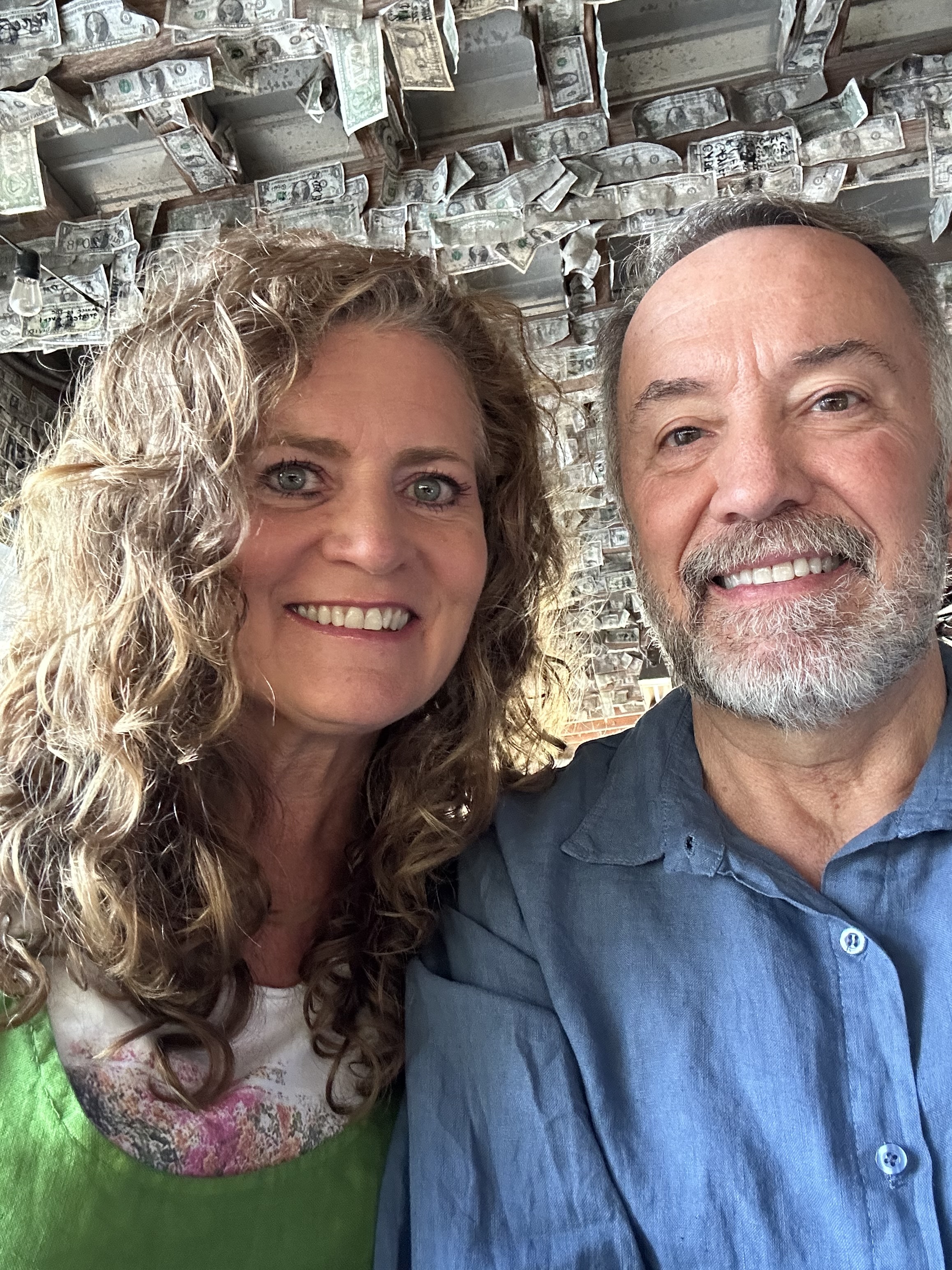
The call came, the paperwork closed, and just like that the money was there.
I remember the feeling less as excitement and more as relief with a question mark attached. Relief, because 37 years of solo practice was finally behind us and we didn’t have to worry about payroll or patients or any of it anymore. Question mark, because the very next thought was: okay, now what do we do with this so it actually becomes something for us, instead of just a number sitting in an account? We didn’t want it to just dwindle away without a purpose.
We’d just sold our house in St. George and bought one in Pensacola. We had taxes to think through. We had advisors helping us, and the promise I’d made before I left was still fresh in my mind. And what I discovered pretty quickly wasn’t what to do next. It was how much I didn’t know.
Running a practice does not prepare you to invest like an individual
You spend decades getting good at running a business. You know your overhead, your margins, your patient flow, all of it cold. None of that teaches you how to evaluate a new investment opportunity or an advisor’s recommendation as an individual, especially when it’s the biggest sum of money you’ve ever had at once.
We didn’t know how to do that. So we got advice from an advisor and went with it. We didn’t have a way to check it against anything else. We didn’t know what questions to ask or what research even looked like. We just trusted.
We learned the hard way, and it cost us
I’m not going to sugarcoat this part. We made a couple of large mistakes trusting a single source of advice without doing our own homework first. One of them, we lost everything we put in. The other might come back around, but nowhere near what we’d been expecting.
That’s not a fun thing to put in writing. But if I don’t say it plainly, this post doesn’t help anybody. The lesson wasn’t “don’t trust advisors.” The lesson was don’t let any one party, however qualified, be the only voice you hear before you commit money you can’t afford to lose. We didn’t do that the first time. We do it now.
What I’d do differently
If I were sitting across the table from a dentist who just closed on their practice, here’s what I’d tell them:
Get advice from qualified advisors. That part still matters, don’t skip it. But pair it with your own research, not instead of it, alongside it. And get more than one opinion before you move real money. Not because advisors are wrong, but because you’re the one living with the outcome, and you owe it to yourself to understand what you’re saying yes to.
This is where a tool like Morningstar Investor has actually earned a place in how I look at things now. It’s not an advisor and it doesn’t manage anything for you. It’s a research subscription: independent analyst coverage, their star and Medalist ratings, Fair Value estimates, and a screener you can use to check an opportunity against instead of just taking someone’s word for it.
I’ll be straight with you here, since that’s the whole point of this post. Morningstar’s research reputation is solid. They don’t take commissions from the funds they rate, and independent reviewers consistently rank their fund and ETF research among the best available anywhere. Their customer service reviews online are a different story, and not a great one. So do what I’m telling you to do with everything else: read a few reviews yourself before you sign up, especially on the account and support side, and decide if it’s the right fit for you. There’s usually a free trial if you want to look around before committing to anything.
That starts with something simple: separate what you need in the next few years from what you’re investing for decades from now. Once that line is clear, the rest, what to research and what questions to ask, gets a lot easier to sort out.
None of this replaces sitting down with the right tax, estate, and financial professionals. It just means you walk into that conversation with your own eyes open instead of borrowing someone else’s.
If you’re where we were
If you just sold your practice and that number is sitting in an account making you feel some mix of relieved and unmoored, I understand exactly where you are. The temptation is to hand it to the first confident voice and move on with your life. I get it. We did the same thing.
Do yourself one favor before you commit anything meaningful: get a second read on it. Research it yourself, even a little. Ask what a tool built for exactly this kind of evaluation would tell you. It won’t cost you the relief of being done with the practice. It might save you from finding out the hard way, like we did.
Once the sale closes and that money actually lands in your account, the real work starts. You’re suddenly the one deciding where it goes, and most of us never trained for that part.
Morningstar Investor is the tool I’d point you to for the research and second-opinion side of that decision, not as a replacement for your CPA or financial advisor, but as a way to check your own thinking before you commit a big piece of that sale.
A few things worth knowing about it:
- Portfolio X-Ray shows you where your money actually sits once everything is combined, including overlap and concentration you might not catch just eyeballing your statements
- Fair Value Estimates and Economic Moat Ratings give you Morningstar’s independent read on whether a stock is priced fairly and whether the company behind it has a real, lasting edge
- Fund and ETF ratings let you compare options side by side instead of taking a broker’s word for it
- Portfolio Risk Score gives you a forward-looking sense of how much risk you’re actually carrying, not just how it felt last year
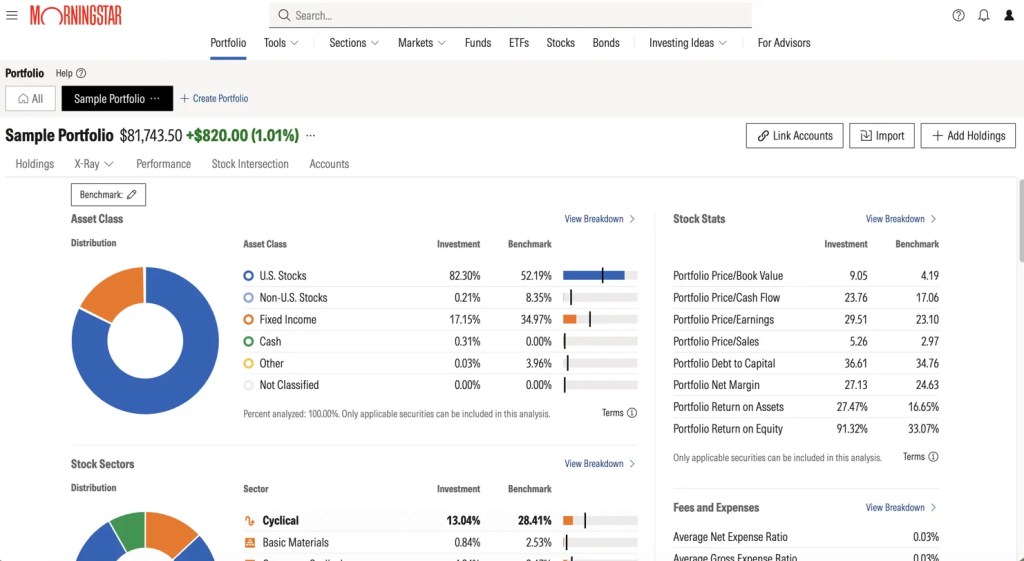

Readers of RetireReadyRx can sign up for Morningstar Investor at $199 for the first year, $50 off the regular $249 price. There’s also a 7 day free trial if you want to look around before committing.
If this helped, I’d love to hear where you’re at in your own transition. Drop a comment below or share it with someone who just sold their practice too.
Leave a Reply