
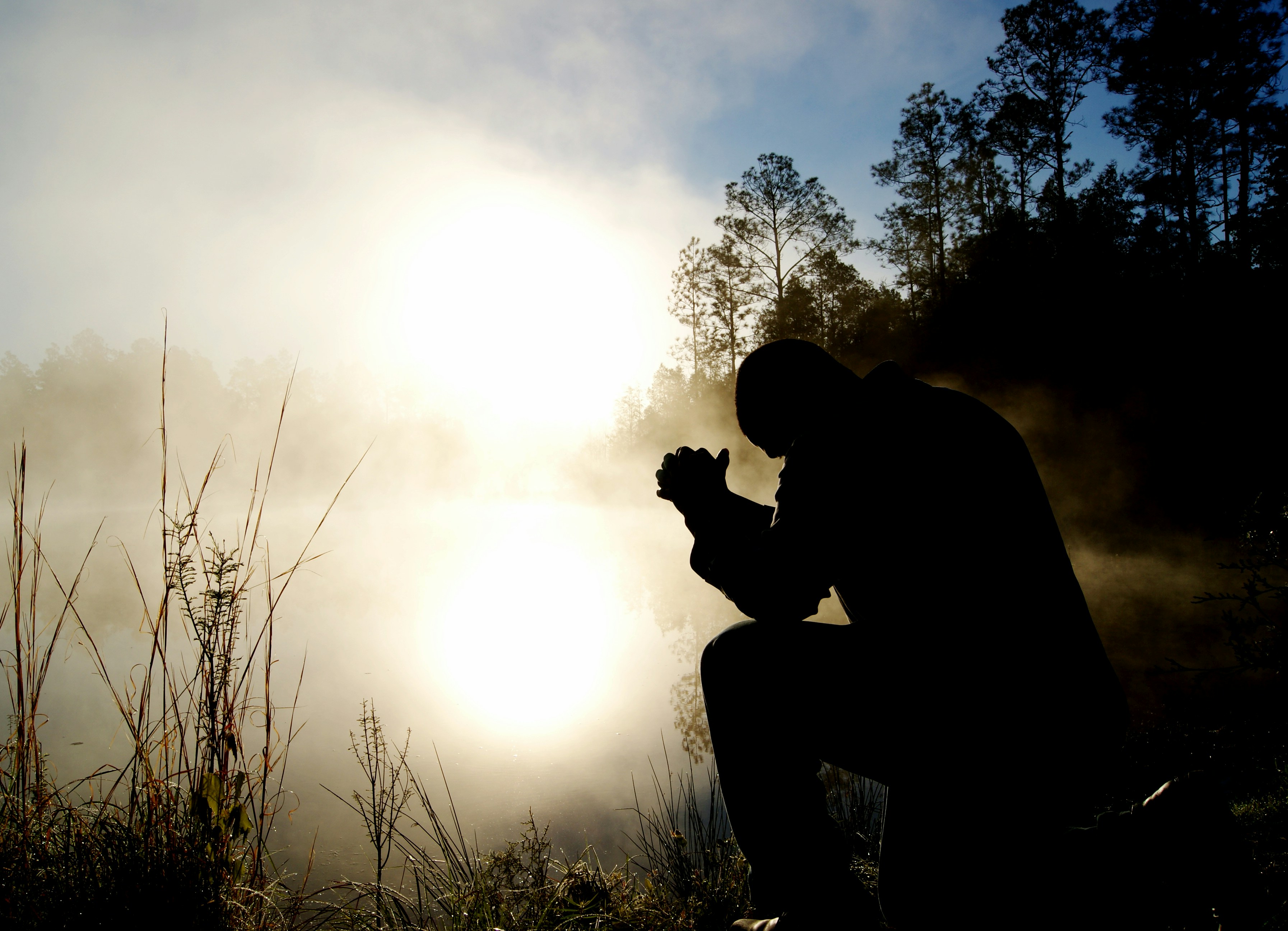
Retirement comes with two kinds of mornings. Most people don’t talk about the second one.
There’s the morning where you wake up and you know exactly what you’re doing that day. You feel it before your feet hit the floor. There’s energy there, direction, purpose. Those mornings feel like a gift.
Then there’s the other kind. You open your eyes and the motivation just isn’t there. You’re not sick. Nothing is technically wrong. But you don’t know what to do with yourself, and the day stretches out in front of you like a blank page you’re not sure how to fill.
If you’ve retired, or you’re getting close, I want you to know that both of those mornings are completely normal. The fog doesn’t mean you made a mistake. It just means you’re human, and retirement is a bigger transition than most people prepare for mentally.
I’ve had both kinds of mornings more times than I can count since I retired in April of 2024 after 37 years as a dentist. Some days I wake up ready to go. Other days I genuinely don’t know what direction to move in. What I’ve learned is that the difference between those two mornings usually comes down to a few things I can actually control.
Vibration level is real, even if it sounds strange
I was introduced to the concept of vibration level through some business and personal development training I did over the years. At first it sounded a little out there to me too. But the more I paid attention, the more I realized it was just describing something I’d already witnessed my whole life.
Some people walk into a room and the energy lifts. Other people walk in and it drops. You’ve felt that. The people who consistently show up with high energy, optimism, and forward momentum are operating at a different level than the people who are stuck, negative, or defeated. And who you spend your time with matters more than most of us want to admit.
In retirement, you have more control over that than you ever did when you were working. You get to choose. You can surround yourself with people who are building something, growing, contributing, thinking about the future. Or you can default to whoever shows up. That choice shows up in how your mornings feel.
The morning routine isn’t glamorous, but it works
I’ve tried a lot of things, and here’s what I keep coming back to. The mornings that work best for me start with making my bed first thing. Then prayer, exercise, and scripture reading, then a few minutes planning the day. I check the calendar, look at the to-do list, and decide what actually matters today.
That last part is more important than it sounds. In retirement there’s no one telling you what’s urgent. You have to create that structure yourself. When I take a few minutes to actually decide what I’m doing with my day before the day starts making decisions for me, everything goes better. I usually make a plan beforehand and then modify it as needed each morning.
It doesn’t have to be my routine. But you need something that anchors the morning before the morning gets away from you.
Structure is good. Rigidity will wear you out.
Here’s something I had to learn the hard way. Having a plan is important. Being attached to the plan at the expense of your peace is a problem.
Retirement means your schedule is more flexible than it used to be, but it also means other people’s schedules will bump into yours more often. A grandchild needs me. A friend calls out of the blue. A doctor’s appointment gets moved. LoriAnn has something she needs help with or wants to spend the day at the beach. If my state of mind depends on the day going exactly as I planned it, I’m going to have a hard time.
The goal of a morning routine isn’t to lock the day in place. It’s to put you in a state of mind where you can handle whatever the day actually brings. There’s a difference between being anchored and being rigid. The best version of retirement is when you’ve built enough internal stability that a change in plans doesn’t change your mood along with it.
That takes practice. But it’s one of the best things you can build in this season of life.
Faith is the foundation, not a technique
I want to be clear about something. My faith and my relationship with God through prayer has been the most consistent anchor in my life through every hard season. Dental school, building a practice from nothing, the losses that came later. Prayer isn’t a strategy for me. It’s where I actually go when I need to recalibrate.
But I’ve also watched people of different faiths, and even people with no formal religious background at all, live with remarkable peace and purpose and forward momentum. What they tend to share is gratitude, integrity, a long view, and a commitment to keep growing. Those are human qualities. They show up across every tradition.
The retired person who wakes up genuinely grateful is playing the game differently than the one who wakes up resentful or bored or stuck. Gratitude isn’t a feeling you wait for. It’s a practice you choose. You might try writing every day in a gratitude journal.
What I’m actually grateful for
I’m alive and healthy. I live somewhere beautiful with my wife LoriAnn beside me. I have work that matters to me. I have my faith, my family, and the freedom to design my days.
Not every morning feels that way. But when I take five minutes to actually remember it, really remember it rather than just skim past it, the fog clears faster than anything else I’ve tried.
That’s the practice. Not perfection. Just remembering.
If you’ve had one of those foggy mornings lately, you’re not alone. I’d love to hear what helps you reset. Leave a comment below or share this with someone who might need it today.
If this resonated with you and you’d like more posts like this delivered to your inbox, hit the button below.
Leave a Reply